
.jpg)
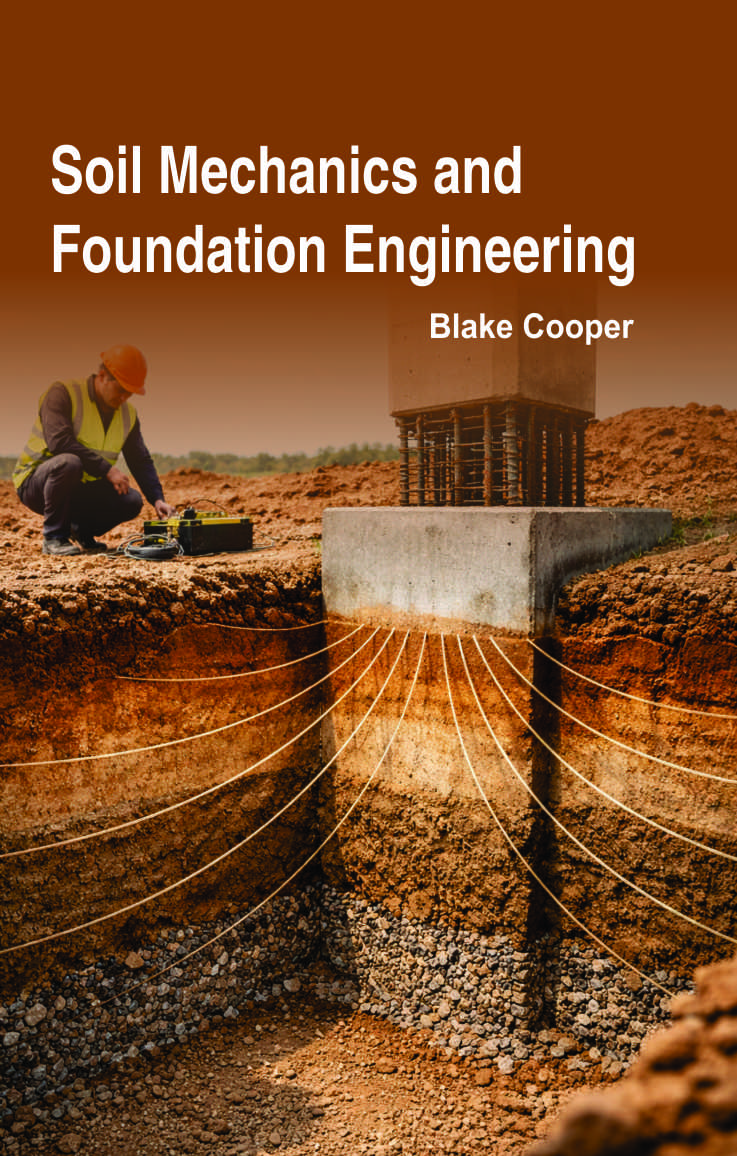
This book examines the scientific and engineering principles that govern the behaviour of soils in relation to foundation design and ground stability. It explains how the physical and chemical characteristics of soil influence the performance of structures built upon or within the ground. The discussion focuses on the interaction between soil systems and engineering loads, illustrating how soil composition, internal structure, and environmental conditions affect the strength, compressibility, and deformation of foundation materials. Particular attention is given to the processes that modify soil properties over time, including biological activity and chemical transformations that occur within the soil environment. The text also considers soils affected by salinity and other environmental conditions that can alter their engineering performance and present challenges for construction and land development. Through the integration of soil science and geotechnical analysis, the book presents soil as a complex medium whose behaviour must be carefully evaluated in the planning and design of stable foundations.
The book provides a structured academic perspective on the engineering behaviour of soils and their interaction with structural systems. It supports deeper study in soil mechanics, foundation engineering, and civil engineering concerned with the safe and efficient design of structures on diverse ground conditions.