
.jpg)
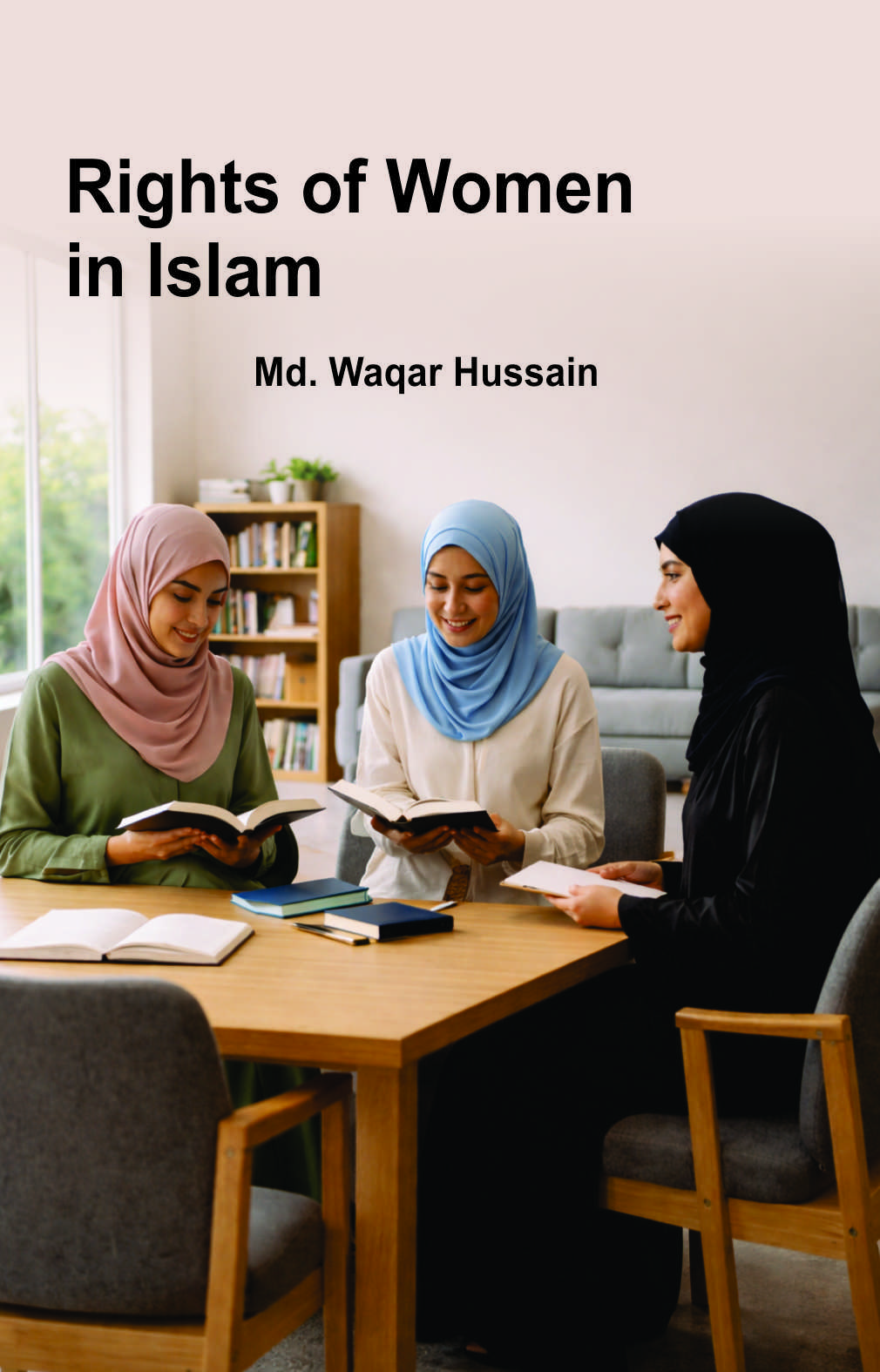
This book presents a balanced and scholarly examination of the rights of women within Islamic thought and social practice, situating religious principles within their historical, cultural, and contemporary contexts. It explores how women’s rights have been articulated through foundational sources and how these principles are interpreted and applied across different societies. The book examines education, family life, social participation, and legal status, highlighting the ways in which women contribute to and shape Islamic societies.
The discussion also addresses diverse cultural perspectives and external interpretations, considering how historical experience, social norms, and political conditions influence the lived realities of women. Attention is given to both continuity and change, showing how tradition and reform interact in shaping opportunities, responsibilities, and rights. By engaging with social, ethical, and legal dimensions, the book offers a nuanced understanding that moves beyond stereotypes and simplified narratives. It provides readers with an informed perspective on women’s roles, dignity, and agency within Islam. This work is intended for students, researchers, and general readers seeking a thoughtful and internationally relevant understanding of women’s rights in Islamic societies.