
.jpg)
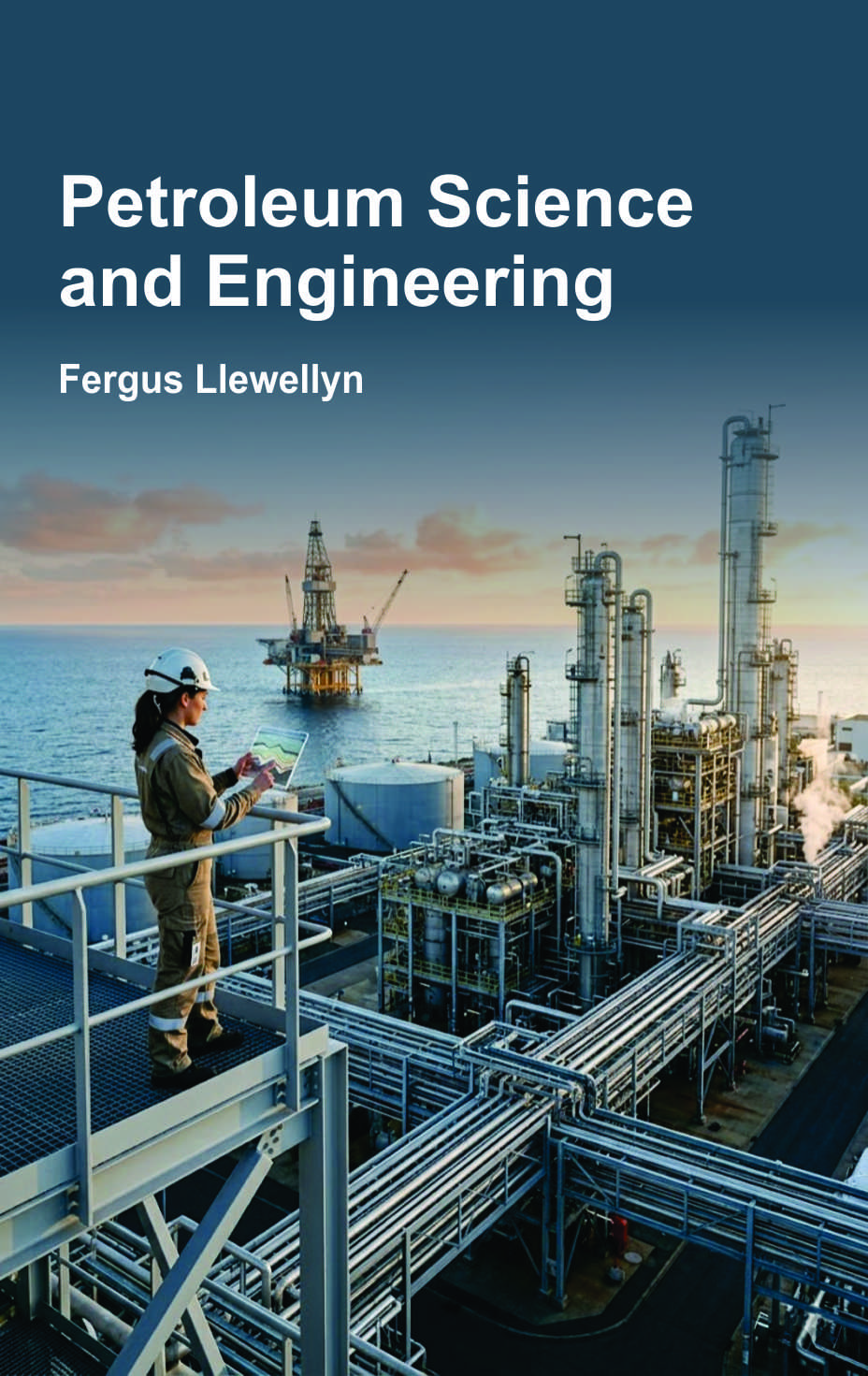
This book brings together scientific interpretation and engineering practice to examine the complex nature of petroleum systems and subsurface exploration. It presents petroleum science not simply as the study of energy resources, but as a discipline shaped by geological observation, spatial analysis, technological innovation, and applied problem-solving. The narrative moves through the ways in which earth structures are identified and interpreted, showing how mapping techniques, sedimentary analysis, and imaging methods contribute to understanding the hidden architecture of the Earth. It also considers how digital tools and integrated data systems have transformed modern petroleum investigation, allowing researchers and engineers to visualise geological relationships with greater precision. Alongside technical perspectives, the text reflects on broader earth-system thinking, encouraging readers to view petroleum exploration within interconnected geological and environmental frameworks. The overall approach is analytical yet accessible, linking scientific reasoning with practical application in contemporary geoscience.
The book aims to provide readers with a strong conceptual and technical foundation in petroleum science and engineering, supporting advanced understanding of exploration methods, geological interpretation, and resource evaluation practices.