
.jpg)
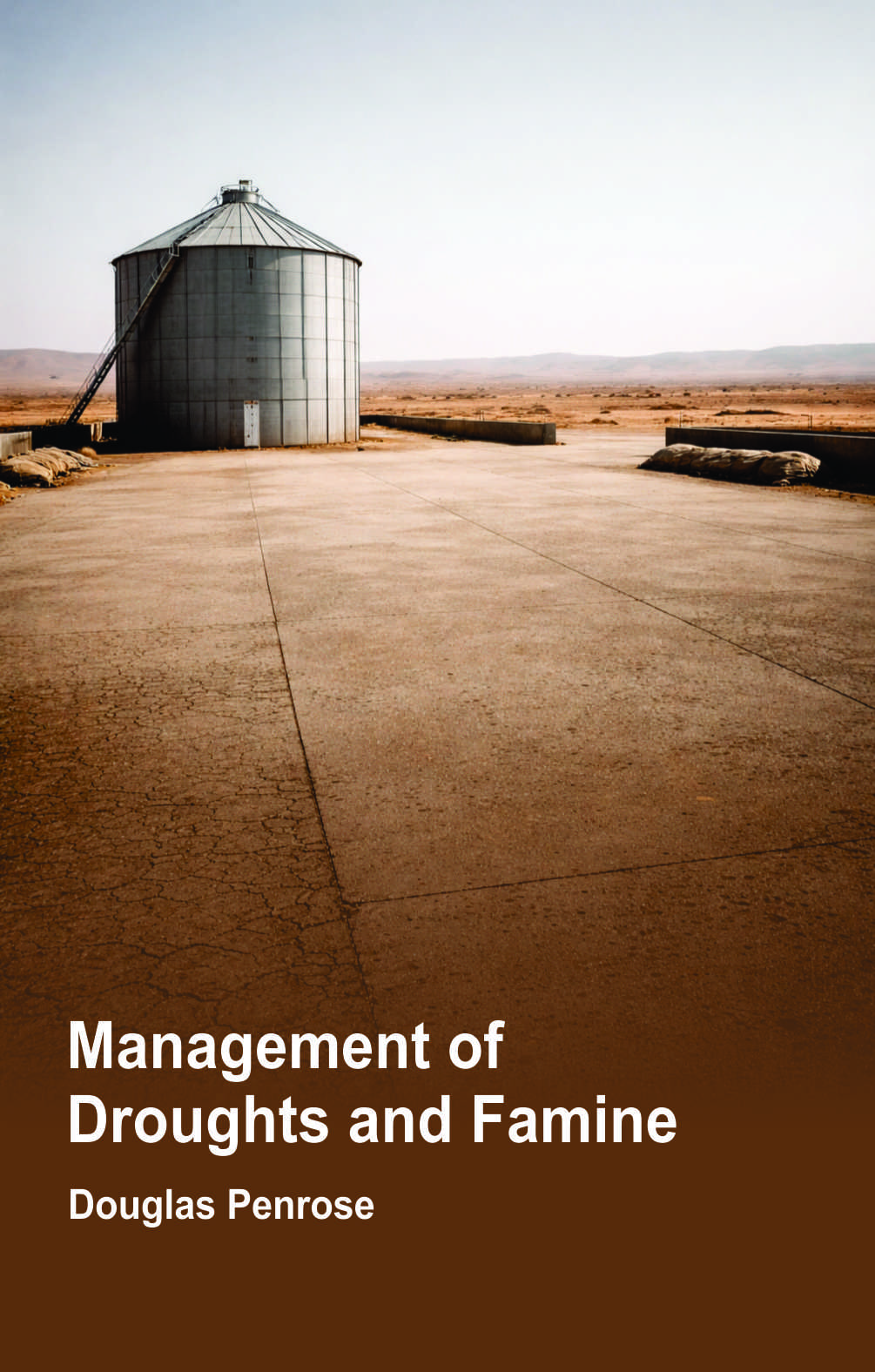
This book offers a comprehensive and policy-oriented examination of the management of droughts and famine, addressing their environmental, social, and economic dimensions. It explores how prolonged water scarcity and food insecurity emerge from the interaction of climatic stress, ecological vulnerability, and structural inequalities. The book analyses the mechanisms through which drought conditions escalate into famine, highlighting the role of governance, resource distribution, and institutional preparedness in shaping outcomes.
The discussion draws on comparative regional experiences to illustrate diverse patterns of vulnerability and response across different socio-economic contexts. Attention is given to mitigation strategies, early intervention, and coordinated management approaches that reduce human suffering and long-term developmental impacts. The book also considers the relationship between arid environments, land degradation, and food systems, emphasising the need for sustainable resource management and adaptive planning. By integrating environmental science with development studies and policy analysis, the book provides a balanced understanding of drought and famine as interconnected challenges. It is intended for students, researchers, policymakers, and practitioners seeking an internationally relevant and academically rigorous perspective on managing drought-related crises and ensuring food security.