
.jpg)
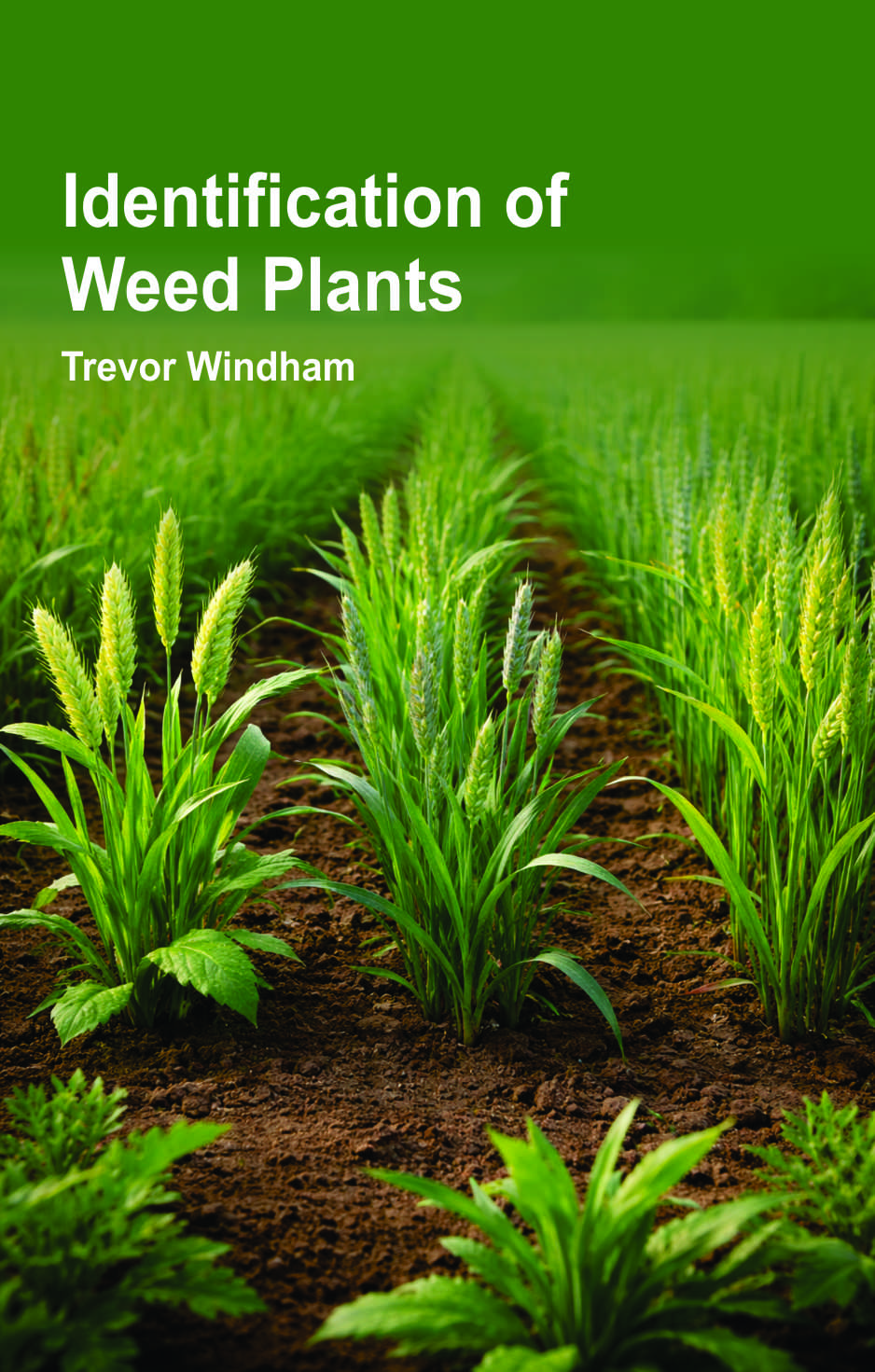
This book offers a detailed academic examination of weed plants with a primary focus on their accurate identification, biological characteristics, and ecological significance. It explains how weeds are defined and differentiated based on structure, growth behaviour, habitat, and adaptive strategies. The text highlights the role of weeds within agro-ecosystems, emphasising both their disruptive impact on cultivation and their potential benefits in terms of biodiversity and environmental balance. Attention is given to weeds that contribute nutritional value and serve as supplementary resources in traditional and contemporary contexts. By integrating botanical science with applied agricultural knowledge, the book provides readers with a structured understanding of weed diversity and its relevance to sustainable land management.
The book also explores culturally and legally sensitive plant categories, examining their cultivation practices, social perceptions, and regulatory frameworks in different regions. It analyses how cultural traditions, religious practices, and legal systems influence attitudes towards certain weed species. The book adopts an objective and analytical approach, encouraging critical understanding rather than advocacy. Intended for students, researchers, and professionals in agriculture, botany, and environmental studies, the book presents a balanced UK-level academic perspective on weed identification and its broader scientific, cultural, and policy implications.