
.jpg)
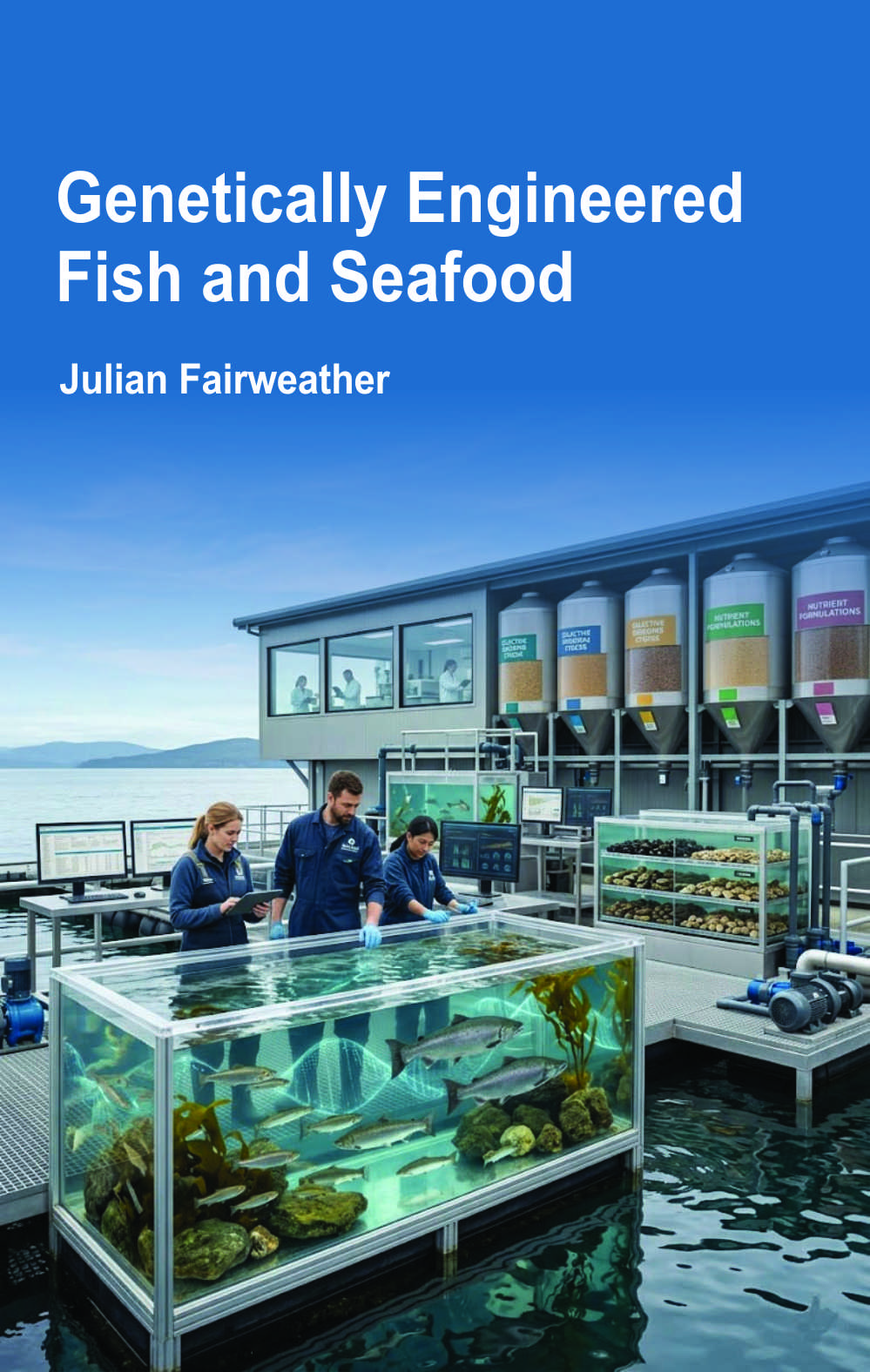
This book examines genetically engineered fish and seafood through the scientific, technological, and regulatory developments that have transformed modern aquaculture and aquatic food production. It explores how genetic technologies are applied to improve growth, productivity, disease resistance, and other desirable characteristics in aquatic species. The text considers the biological principles that underpin genetic modification, selective breeding, and inheritance, highlighting their significance in the development of improved aquaculture stocks. It also discusses the opportunities and challenges associated with genetically engineered organisms, including questions of environmental safety, biodiversity, risk assessment, and responsible management. Attention is given to strategies designed to minimise ecological impacts and ensure the controlled use of advanced genetic technologies. Rather than presenting genetic engineering solely as a technological achievement, the book encourages critical consideration of its scientific, environmental, and practical implications within aquatic production systems. Through an interdisciplinary approach, it provides a balanced understanding of innovation and responsibility in modern aquaculture.
The book aims to help readers understand the principles and applications of genetic technologies in aquatic species, supporting informed engagement with contemporary developments in aquaculture, biotechnology, and sustainable seafood production.