
.jpg)
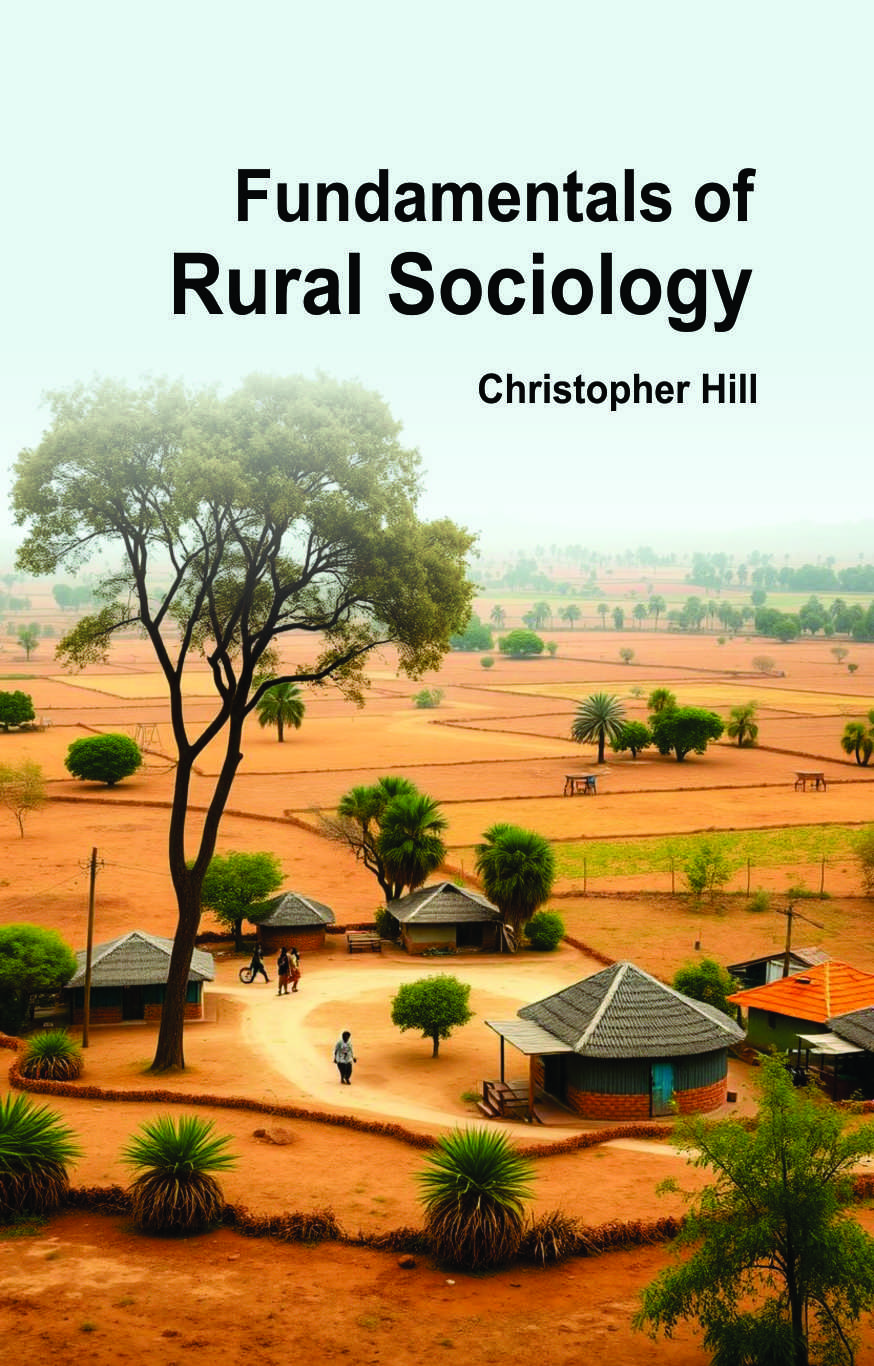
This book provides a systematic and analytical introduction to rural sociology, examining the social foundations, economic structures, and cultural institutions that shape rural life. It explores the historical development of rural communities and the forces that influence patterns of livelihood, social organisation, and local governance. The book analyses rural economies, resource use, and institutional arrangements, highlighting how environmental conditions and economic practices affect social relations and community sustainability.
The book further examines issues of inequality, landholding patterns, and access to natural resources, considering their implications for rural development and social stability. Attention is given to community institutions, informal decision-making practices, and collective traditions that continue to influence rural society alongside processes of change. The discussion also addresses governance, ecological concerns, and the role of social reform in shaping future development pathways. By integrating sociological theory with empirical understanding, the book offers a balanced perspective on continuity and transformation within rural societies. It is intended for students, researchers, and practitioners seeking an informed and internationally relevant understanding of rural social structures, development challenges, and processes of social change.