
.jpg)
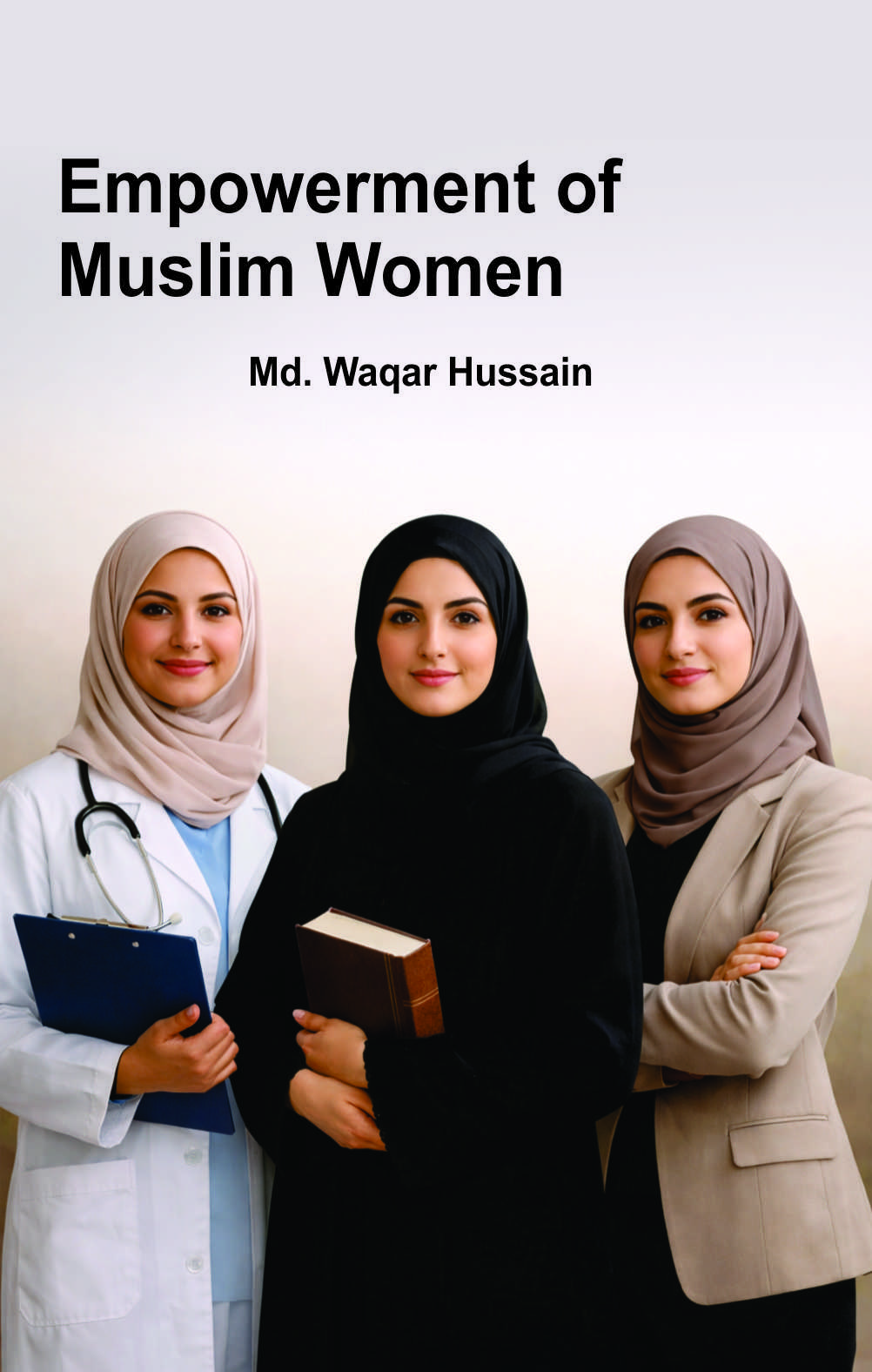
This book presents a scholarly and nuanced examination of the empowerment of Muslim women, exploring the social, educational, legal, and ethical dimensions that shape their lives in diverse cultural contexts. It examines how religious principles, historical experience, and contemporary realities interact to influence women’s status, opportunities, and agency. The book situates empowerment within broader debates on rights, participation, and social justice, highlighting the role of education, awareness, and institutional support in fostering meaningful change.
The discussion traces the evolving position of Muslim women across different periods, analysing how interpretations of tradition respond to social transformation and modern challenges. Attention is given to the balance between faith, identity, and reform, showing how women negotiate personal autonomy and collective responsibility in a globalised world. By engaging with interdisciplinary perspectives, the book challenges simplistic representations and emphasises diversity within Muslim societies. It offers an informed understanding of empowerment as a dynamic process shaped by social structures, cultural values, and individual agency. This work is intended for students, researchers, policymakers, and readers seeking an internationally relevant and academically grounded perspective on the empowerment of Muslim women in the contemporary era.