.jpg)
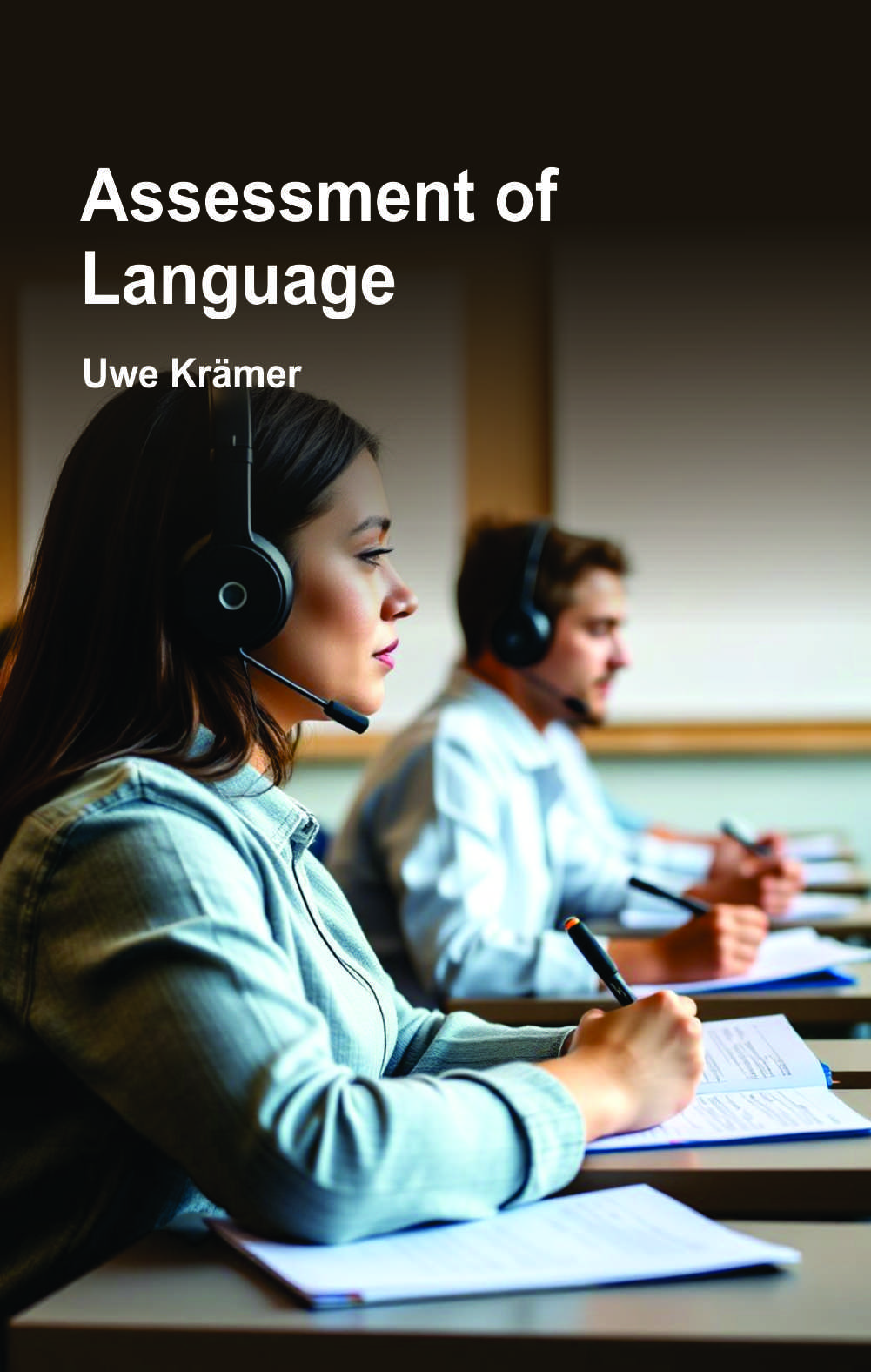
This book explores the assessment of language as a systematic and reflective process aimed at evaluating communicative competence across a range of contexts. It considers how language ability can be measured through both receptive and productive skills, emphasising the importance of accuracy, clarity, and appropriateness in communication. The discussion highlights the role of listening, interpretation, and expression in demonstrating language proficiency, alongside the development of critical thinking and analytical abilities. It also examines how linguistic features such as grammar, vocabulary, and word formation contribute to effective communication and can be assessed through structured frameworks. Attention is given to the interpretation and transformation of information, illustrating how language users process, adapt, and convey meaning in different situations. By combining theoretical perspectives with practical evaluation approaches, the text presents a comprehensive understanding of language assessment.
The book aims to develop the reader's ability to evaluate language skills with precision and fairness, enabling informed assessment practices and supporting the improvement of communication competence in academic and professional settings.