
.jpg)
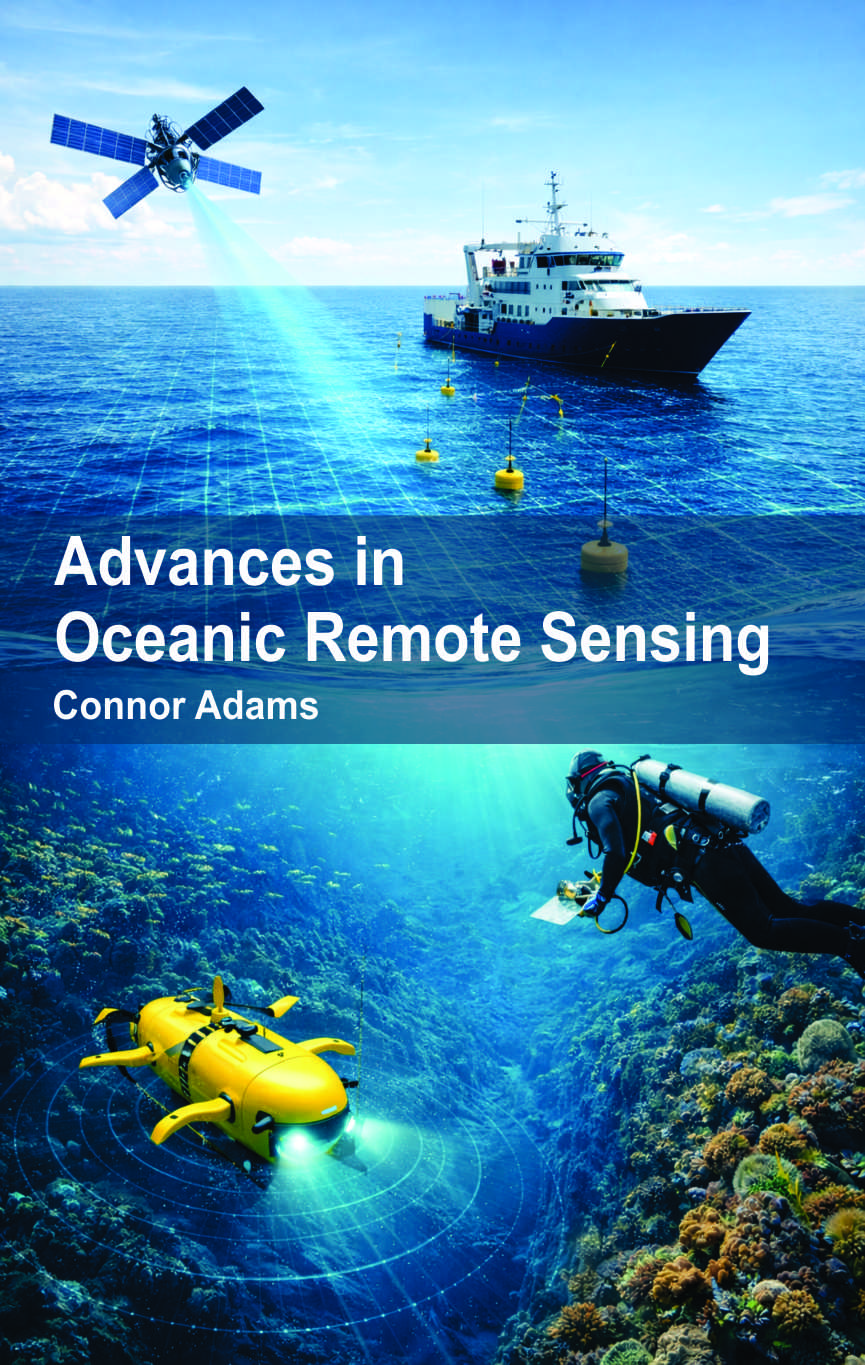
This book explores the scientific and technological foundations of oceanic remote sensing and explains how modern observational systems contribute to the understanding of marine environments. It examines the use of satellite-based monitoring, digital imaging technologies, and advanced analytical tools to observe large-scale ocean processes and environmental change. The discussion highlights how remotely collected data enable scientists to monitor ocean surface conditions, analyse variations in marine environments, and interpret complex oceanographic patterns across vast geographic regions. Attention is given to the integration of satellite observations with computational analysis and modelling techniques that support the interpretation of marine data. The text also considers the role of navigation technologies and geospatial systems in improving the accuracy of marine observations and supporting ocean exploration. Through these perspectives, the book demonstrates how remote sensing technologies provide critical insight into ocean dynamics, coastal environments, and global environmental monitoring.
The work emphasises the growing importance of remote sensing in modern oceanographic research. It encourages the application of advanced observational technologies for the study of marine systems and supports academic engagement with ocean science, environmental monitoring, and geospatial analysis.